Getting a Tourist Visa for France: Steps and Realistic Timelines
Introduction
The tourist visa for France, issued within the Schengen area, allows a short stay (up to 90 days within 180 days). Although the procedure is standardized, timelines and steps may vary depending on the applicant's nationality and the time of year. This article details the chronological process, from initial steps to receiving the visa, based on official data and feedback.
1. Preparing the Application: Plan at Least 3 Months Ahead
The first step is to gather the required documents: a valid passport (issued within the past 10 years, with at least two blank pages and validity at least 3 months beyond the planned date of leaving the Schengen area), the application form (via the France-Visas portal), a passport photo complying with ICAO standards, proof of travel insurance (minimum coverage of €30,000), accommodation and transport bookings, proof of financial resources (bank statements from the last three months, pay slips, etc.), and a cover letter explaining the purpose of the stay.
It is essential to check the specific requirements for your country of residence on the embassy or accredited center's website (TLScontact or VFS Global). In practice, gathering the documents takes one to two weeks. Prepare photocopies and certified translations if your documents are not in French or English.
2. Booking an Appointment and Submitting the Application
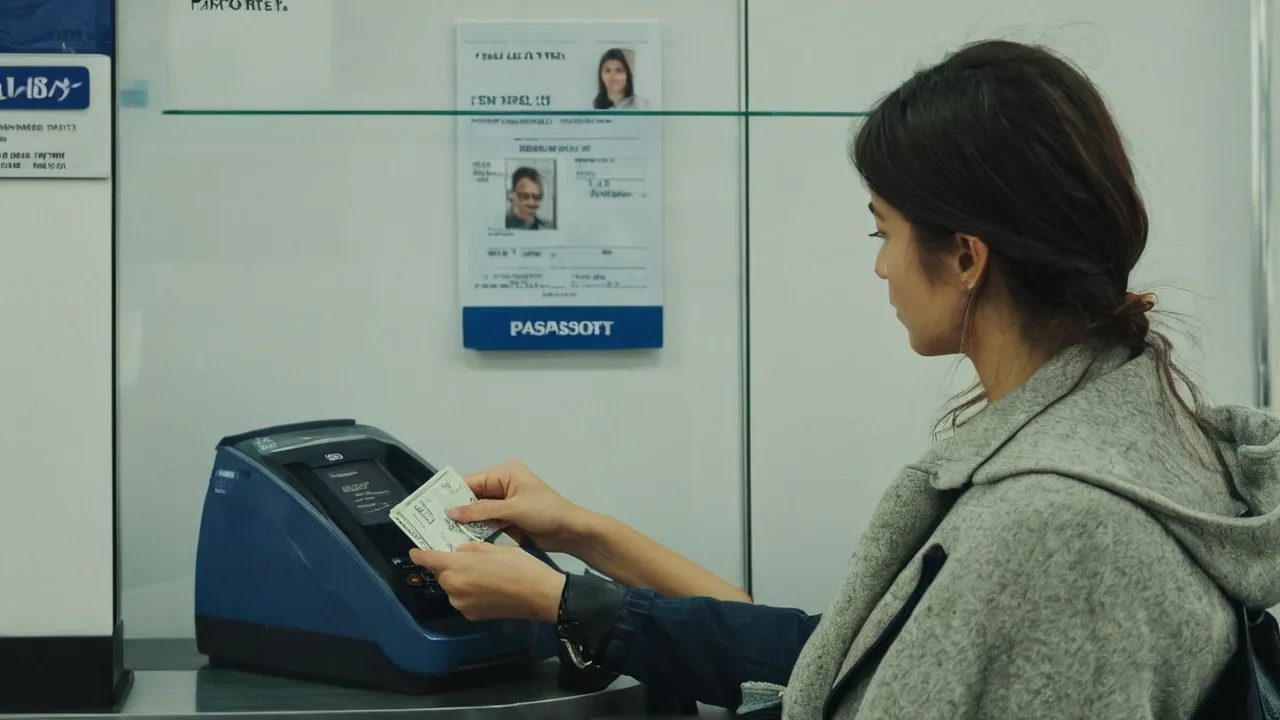
Once the file is ready, you need to book an appointment online on the accredited visa center's website (TLScontact for most countries, VFS Global in some). Slots are often full during peak season (May to September): it is recommended to book at least one month in advance. On the day of the appointment, you submit your original documents, have your biometrics taken (photo and 10 fingerprints), and pay the visa fee (€80 for adults, €40 for ages 6-12, free for under 6). Keep the receipt.
Some embassies require a personal interview, but in most cases, the counter visit is quick (15-30 minutes).
3. Processing the Application: Variable Timelines
The legal processing time is 15 calendar days from the date of submission. However, peak periods or additional checks can extend it up to 30 days, or even 45 days if an opinion from another Schengen state is required (exceptional case). In practice, simple applications are often processed in 2 to 3 weeks. You can track your application status online using the application number.
If your trip is urgent, accelerated procedures exist (short-stay visa issued within 48 hours) but they are reserved for duly justified cases (hospitalization, funerals, etc.).
4. Decision and Passport Return
Once the decision is made, your passport is returned by secure mail (or collected in person depending on the center). You receive a notification by email or SMS. If accepted, the visa is affixed to a page in your passport. If refused, the reasons are notified in writing; you can then file an appeal within two months.
Allow an additional 3 to 5 working days for postal return. Overall, from booking the appointment to receiving the passport, expect a total timeline of 4 to 6 weeks in normal periods, and up to 8 weeks in peak season.
5. Practical Tips to Avoid Delays
Check that your passport is valid at least 3 months after your planned departure date.
Do not submit false or incomplete documents: refusals for fraud lead to a temporary visa ban.
Make sure your travel insurance covers the entire duration of your stay and the whole Schengen area.
If traveling with children, parental authorizations may be requested.
Conclusion
Getting a tourist visa for France requires careful preparation and a minimum of advance planning. By following the steps and allowing time buffers, you maximize your chances of success. For regular travelers, a circulation visa (1 to 5 years) may be an option after an initial trouble-free stay. In any case, consult official sources (France-Visas, embassy) and not forums for up-to-date information.