Studying in Canada: How Much Does a Study Permit Really Cost?

The cost of a study project in Canada goes far beyond the administrative fees for the study permit alone. It encompasses a set of expenses whose magnitude varies greatly depending on the province, the chosen institution, and the level of study, but the main categories remain similar from one application to another.
Application processing fees
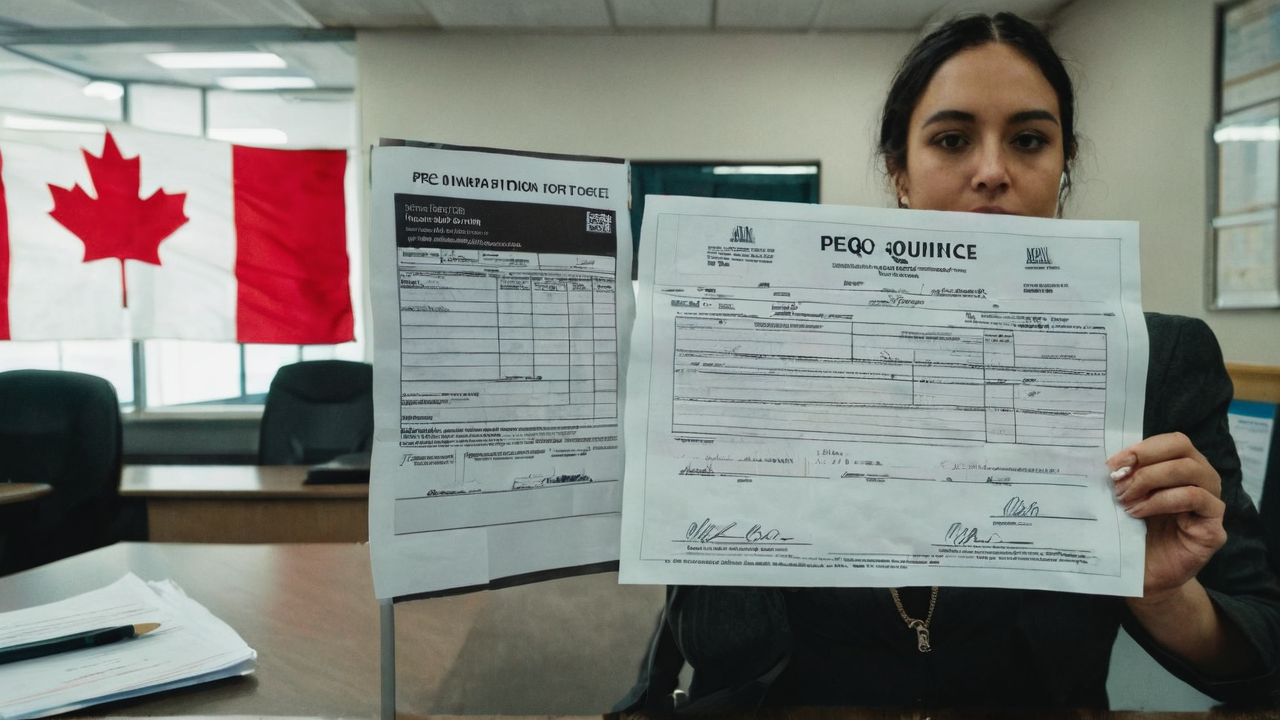
The study permit application is subject to government processing fees, which must be paid at the time of submission. These fees are non-refundable even in case of refusal, highlighting the importance of preparing your application well before submitting it rather than trying your luck multiple times.
Proof of funds, the largest budget item
Beyond administrative fees, the applicant must demonstrate sufficient resources to cover living expenses for a given period, in addition to tuition fees already paid to the institution. This amount, generally reassessed periodically by the authorities, is by far the most significant financial item of the project, even before the application fees themselves.
Biometrics, medical exam, and supporting documents
As with other permit categories, biometric data collection incurs specific fees at an approved center. Depending on the country of origin and program duration, a medical exam may also be required. Additional costs often include certified translation, diploma legalization, or secure document shipping.
Tuition fees and initial deposit
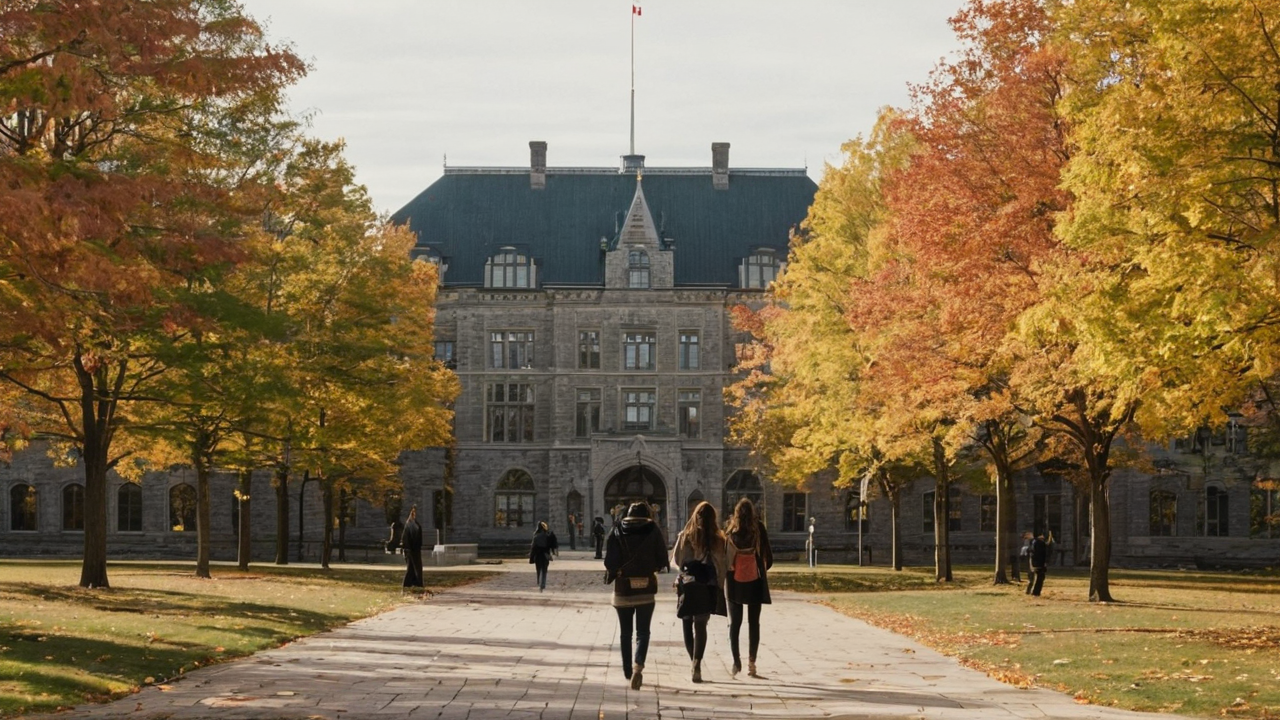
Canadian educational institutions generally require a deposit or first tuition payment before issuing the final acceptance letter used for the permit application. This amount varies considerably depending on the type of institution, program, and level, whether it is a CEGEP, university, or private college.
Significant differences by province and lifestyle
The overall cost of a study project varies greatly depending on the chosen province, with large metropolitan areas generally having higher tuition and cost of living than medium-sized cities or peripheral regions. The choice between on-campus student residence, shared accommodation, or individual housing also significantly affects the student's monthly budget, as does the resident or non-resident status applied by some provinces for tuition calculation.
Health insurance, an often underestimated item
Depending on the host province, international students are not always automatically covered by the public health insurance plan and must then take out private insurance, mandatory at some institutions, whose annual cost adds to the overall stay budget. This expense item, sometimes overlooked during initial planning, can represent a significant amount over the full duration of a study program, especially for multi-year courses.
Scholarships and partial exemptions
Some institutions and provinces offer merit scholarships, partial exemptions from the higher tuition fees for international students, or bilateral agreements with certain countries that reduce the overall cost of studies. These mechanisms, when available, are generally not automatic and require a separate application process, often with its own deadlines that should be anticipated separately from the study permit application timeline.
What to remember
A study project in Canada requires comprehensive financial planning that goes well beyond the fees listed on the permit application form and varies significantly depending on the province and chosen lifestyle. Incorporating tuition fees, required proof of funds, and ancillary expenses from the outset helps avoid unpleasant surprises along the way.