
Sudbury to Back 85 French-Speakers for Permanent Residence
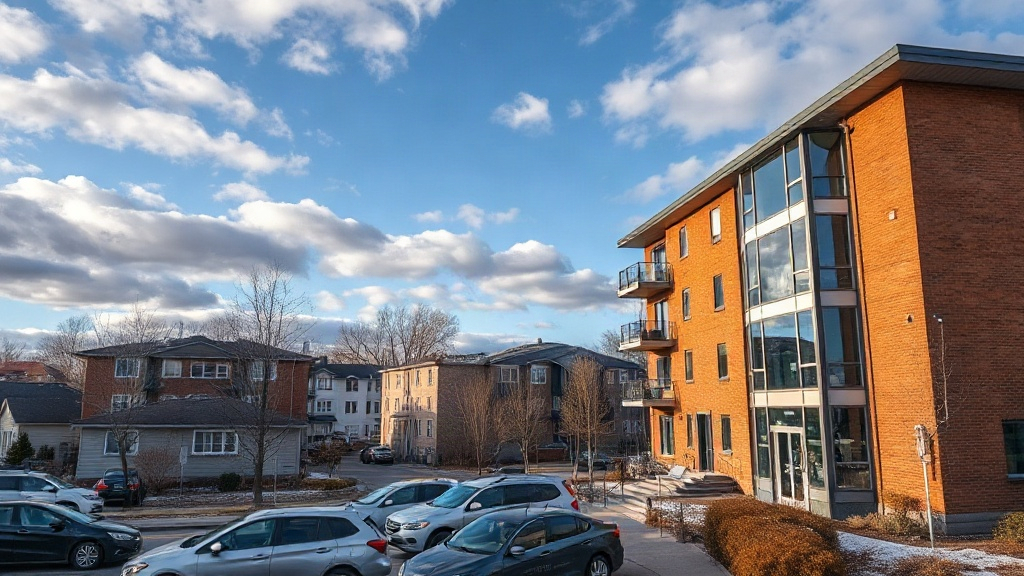
Greater Sudbury is widening its role in a federal push to make Francophone immigration work outside Quebec. According to a post published by Greater Sudbury Economic Development, the region will advance up to 85 French-speaking foreign nationals who already hold a local job offer, allowing them to apply for permanent residence through the Francophone Community Immigration Pilot (FCIP).
A local selection step, followed by a federal decision
FCIP is not a regular economic immigration stream. It is a community-oriented pilot in which selected organizations in participating regions help identify French-speaking newcomers who can meet local labour needs. In Sudbury's case, the local economic development office appears to be the main messenger and likely a key coordinator in the selection process.
Being supported by the community is only one part of the journey. Each selected foreign national must still file a complete permanent residence application with Immigration, Refugees and Citizenship Canada (IRCC). The federal department remains responsible for verifying eligibility, security, health, and admissibility. Local support may make the application easier, but it does not guarantee approval.
Who is likely to benefit?
Three broad categories of people could be concerned:
French-speaking foreign workers already employed in Greater Sudbury who entered Canada with a temporary work permit and are now looking for a lasting settlement path;
French-speaking professionals abroad who have secured a job offer from a Sudbury-area employer and are searching for a program that can lead to permanent residence;
Francophone international students who completed studies in Canada and want to remain in the region but do not qualify for another stream.
The mention of a local job offer is central. Candidates are not simply selected for speaking French; they need to demonstrate that an employer is ready to hire them. This condition links the immigration outcome directly to Sudbury's employment market, particularly in sectors facing labour shortages.
Why Sudbury?
The city has one of the largest Franco-Ontarian populations in the province. This makes it a natural setting for the FCIP, a pilot launched to support francophone minorities outside Quebec and to slow the demographic decline of French-speaking communities. By aligning immigration with a region that already has French-language services, schools and community infrastructure, the pilot gives newcomers a realistic chance to integrate and stay.
Eighty-five supported applications is not a massive number compared with national immigration levels, but for a city like Greater Sudbury it can represent a meaningful addition to the local workforce. It could also send a signal to French-speaking candidates that this is a place where their language has tangible value in the immigration process.
An opportunity backed by some uncertainty
Like many pilot programs, FCIP is time-limited and can be adjusted by the federal government. The current status of the pilot, including whether it is open to new applications, should be checked on IRCC's official website before any candidate begins the process. Likewise, the details of Sudbury's selection procedure are best confirmed directly with Greater Sudbury Economic Development or an authorized representative.
For now, the important takeaway is practical: French-speaking job seekers with a serious offer of employment from an employer in the Sudbury area may soon have a concretely supported route toward permanent residency. For employers in the region, the announcement also underlines the possibility of retaining workers who might otherwise have to leave the country once their temporary work status expires.
The announcement fits into a wider Canadian pattern of regionalizing immigration. Instead of concentrating on the largest cities, several federal initiatives rely on local communities to identify the candidates they need. Sudbury, with its bilingual character, is using that tool to build a workforce and strengthen its French-speaking identity at the same time.
Official sources