
Food Banks: A Lifeline for Low-Income Immigrants
Introduction
For many, immigration marks the beginning of a new chapter—but it can also bring financial hardship. Low-income immigrants often struggle to put enough nutritious food on the table. Food banks serve as a vital safety net. How are these organizations evolving to meet the unique needs of this population? This article explores the role of food banks in supporting immigrants across Canada, with a focus on real-world examples from Montreal.
Barriers Facing Low-Income Immigrants
Immigrants encounter a range of challenges: language barriers, difficulties getting foreign credentials recognized, limited access to stable employment, and, in some cases, precarious immigration status. These factors contribute to higher rates of food insecurity than in the general population. Many newcomers work minimum-wage or gig-economy jobs, leaving little room in their budgets for groceries. With family support networks often absent or limited, informal assistance is harder to come by. Many also lack awareness of available resources, delaying or preventing them from accessing food banks.
Cultural Adaptation in Food Banks
To better serve a diverse clientele, food banks are rethinking their approach. In Montreal, some now stock culturally specific items like halal products, pork-free options, or Asian staples. Volunteer interpreters or multilingual staff help bridge communication gaps, while extended hours accommodate non-traditional work schedules. Partnerships with community organizations expand services to include legal consultations or language classes. Some food banks even host communal cooking workshops, fostering social connections while introducing new recipes—a small but meaningful step toward integration.
Ongoing Challenges for Food Banks
Despite these efforts, food banks face persistent hurdles. Stigma around seeking food assistance remains strong in some communities. Many immigrants avoid these services out of fear of being seen as a burden or drawing attention to their immigration status. Funding is another constant struggle, relying on unpredictable donations and grants. Rising living costs have increased demand, stretching resources thin. Logistical challenges—such as transporting perishable goods, ensuring proper storage, and equitable distribution—add another layer of complexity.
Innovative and Inclusive Solutions
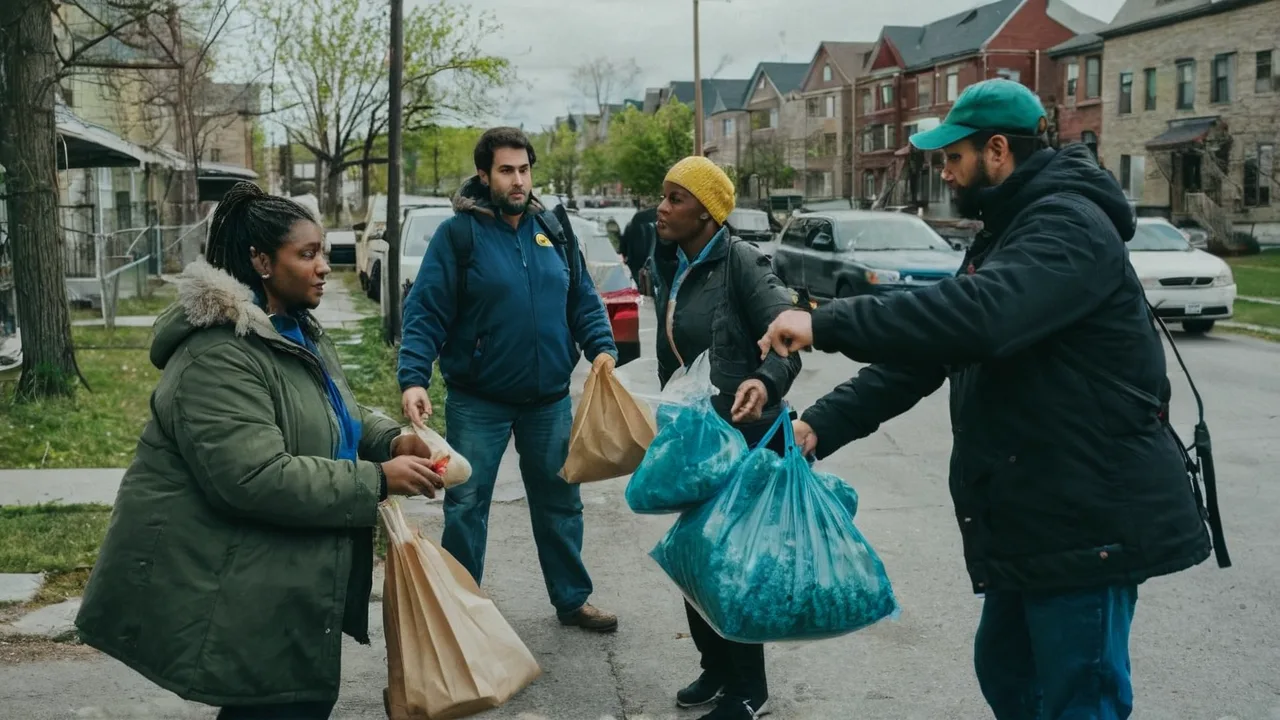
To tackle these issues, some food banks are pioneering new models. Social grocery stores, for instance, offer discounted food in a dignified setting, mimicking a typical shopping experience. Mobile distribution programs reach remote neighborhoods or families without transportation. Collaboration with local community centers helps connect with vulnerable populations. Meanwhile, awareness campaigns aim to destigmatize food assistance by emphasizing its temporary and universal nature.
Conclusion
Food banks have become a cornerstone of support for low-income immigrants in Canada. Their ability to adapt to cultural and linguistic needs is commendable, but more must be done to reduce stigma and secure sustainable funding. At its core, access to adequate food is a fundamental right—and these organizations ensure no one is left behind. The examples show that despite obstacles, solutions exist to make food assistance more inclusive and respectful of everyone’s dignity.
Official sources
Immigration, Refugees and Citizenship Canada (IRCC)