Canada Extends Remote Border Permits: What Travelers and Businesses Need to Know
Permit Extension: A Temporary Relief for Cross-Border Travelers
The Canada Border Services Agency (CBSA) has announced an extension of permit validity until November 30, 2026, for travelers in remote border areas. This decision, while not introducing new policies, provides continuity for individuals and businesses reliant on these permits for cross-border movement. The extension applies to existing permits, meaning no new applications are being accepted under this specific measure—travelers must already hold valid documentation to benefit.
Telephone Reporting: Expanding Access in Hard-to-Reach Areas
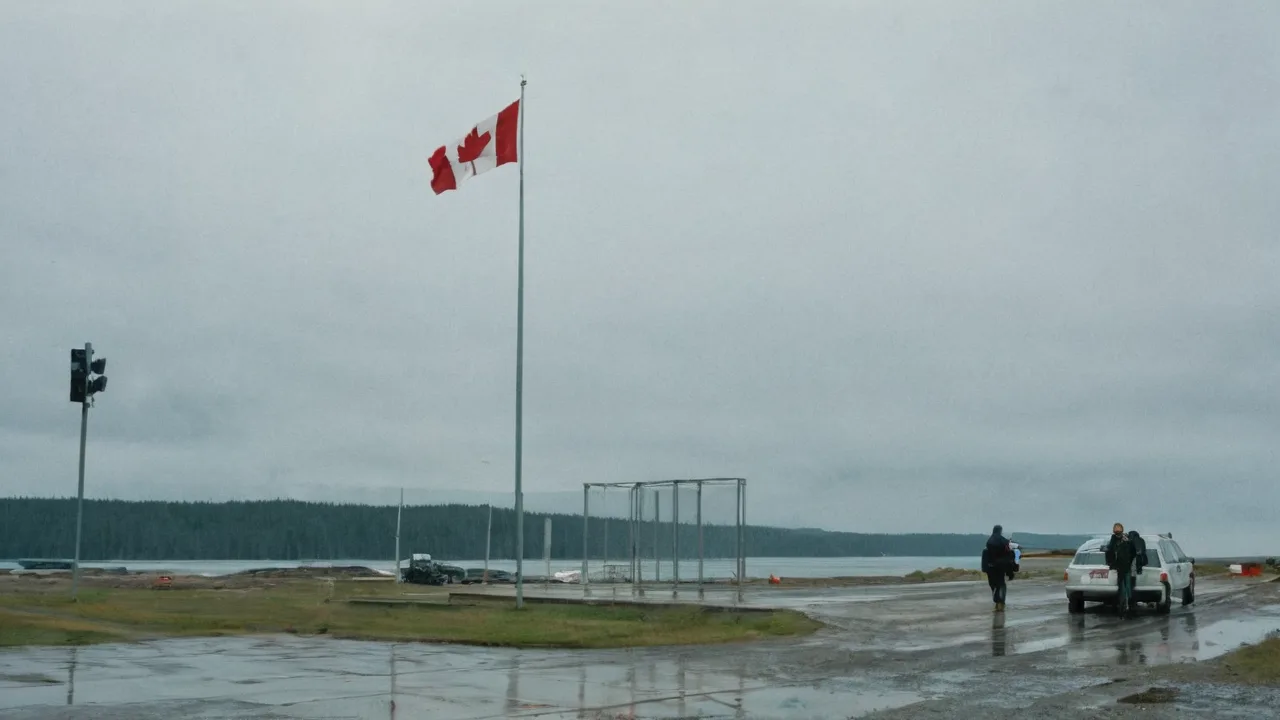
The CBSA is also enhancing its telephone reporting system, a critical tool for remote communities where physical border offices are scarce. This system allows travelers to report their entry by phone rather than in person, reducing the need for long detours to the nearest border station. The expansion targets areas like northern Manitoba, Ontario, and Quebec, where Indigenous communities and resource-based industries frequently cross the border for work, trade, or family visits.
For example, a truck driver transporting goods between a remote First Nations community and a U.S. supplier can now use telephone reporting to declare their entry without driving hundreds of kilometers out of their way. Similarly, residents of border-straddling communities, such as those near the Akwesasne or Mohawk territories, may find the process more streamlined. However, the system is not without limitations: travelers must still meet all admissibility requirements, and certain goods or high-risk shipments may still require in-person inspection.
Who Benefits—and Who Doesn’t
The extension and telephone reporting expansion primarily serve two groups:
Local businesses and workers: Industries like mining, forestry, and agriculture, which often operate near remote borders, rely on cross-border permits for equipment transport, seasonal labor, or supply chains. The extension provides predictability for these operations, though it does not address broader labor shortages or permit quotas.
Indigenous communities: Many First Nations and Métis communities span the U.S.-Canada border. Telephone reporting reduces the burden of traveling long distances for routine crossings, particularly for cultural or family visits. However, some community leaders have noted that the system still lacks flexibility for traditional activities like hunting or gathering on ancestral lands.
On the other hand, the extension does not apply to:
New permit applicants: Those without existing permits must follow standard CBSA procedures, which may involve lengthy processing times or in-person interviews.
High-risk travelers: Individuals with prior admissibility issues or those transporting restricted goods may still face in-person inspections, regardless of the telephone reporting option.
Tourists or short-term visitors: The measure is not designed for recreational travel and does not replace standard visitor visas or eTA requirements.
Border Integrity: Balancing Security and Accessibility
The CBSA has emphasized that the extension and telephone reporting expansion are part of a broader effort to enhance border integrity. While the agency has not released specific details on how it will monitor compliance, the focus appears to be on reducing bottlenecks in low-risk areas while maintaining scrutiny where necessary. This approach aligns with Canada’s long-standing policy of facilitating legitimate cross-border movement while preventing smuggling or unauthorized entry.
For travelers, this means:
No changes to admissibility rules: The same criteria for entry—such as proof of identity, purpose of travel, and financial means—still apply. Telephone reporting simply changes the method of declaration, not the requirements.
Potential delays for complex cases: While telephone reporting speeds up routine crossings, travelers with unusual circumstances (e.g., transporting large quantities of cash or commercial goods) may still need to visit a physical border office.
Limited scope: The expansion does not cover all remote border areas. Travelers should verify whether their specific crossing is eligible for telephone reporting by consulting the CBSA’s official list of designated sites.
What’s Next for Travelers and Businesses?
The November 2026 deadline means that stakeholders have a temporary window to plan their cross-border activities. However, the CBSA has not indicated whether this extension will become permanent or if further changes are forthcoming. Businesses and communities reliant on remote border crossings are advised to:
Review their current permits to ensure they remain valid until November 30, 2026.
Check the CBSA website for updates on eligible telephone reporting locations, as the list may expand over time.
Prepare for potential policy shifts after November 2026, including the possibility of new permit requirements or reporting procedures.
For now, the extension offers a measure of stability for those navigating Canada’s remote border regions. However, travelers and businesses should remain vigilant about compliance and stay informed about any future adjustments to the program.
Official sources