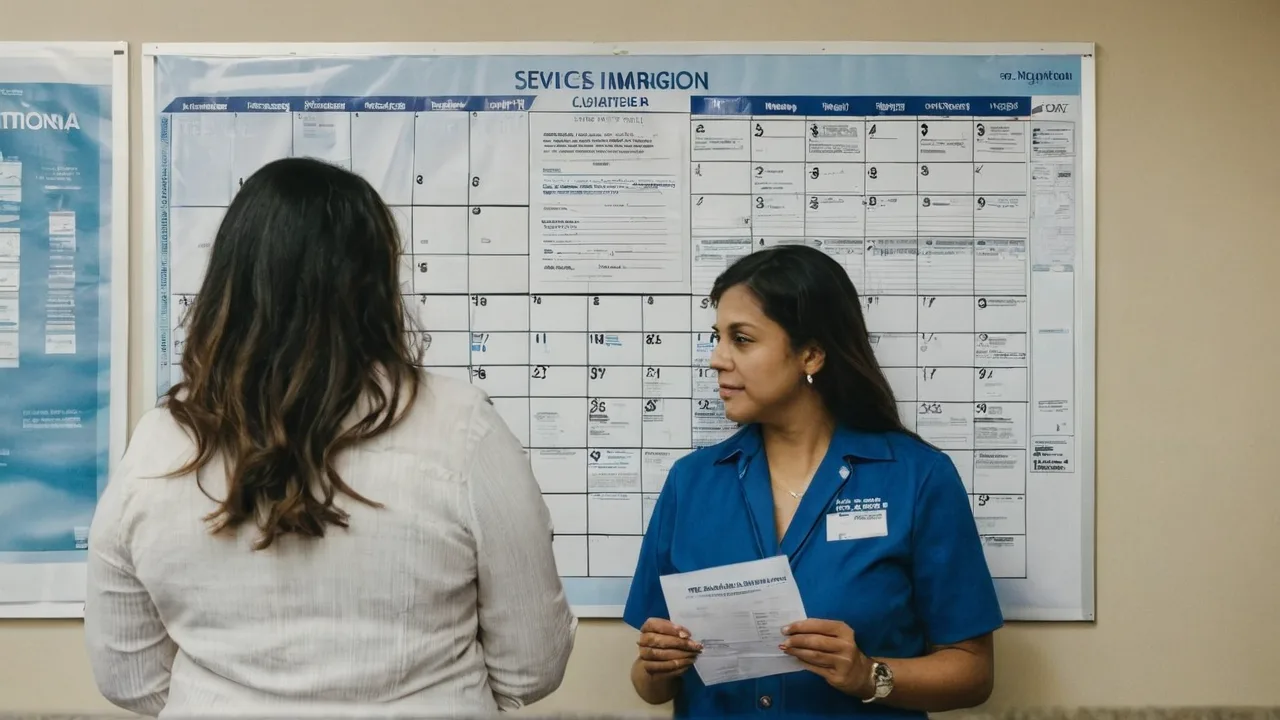
Family Reunification in Canada: The Complete Sponsorship Guide

Family reunification is one of Canada’s most popular immigration pathways, alongside economic immigration. The system allows Canadian citizens and permanent residents to sponsor eligible family members for permanent residence. Managed by Immigration, Refugees and Citizenship Canada (IRCC), this program brings in a substantial number of newcomers each year, making it a pillar of Canada’s immigration policy.
Who Can Sponsor—and Who Qualifies
To sponsor a family member, you must generally be at least 18 years old, hold Canadian citizenship or permanent residency, and live in Canada—or plan to return if you’re currently abroad. Sponsors must also sign a legally binding agreement to support the sponsored person’s basic needs for a set period.
Eligible family members include spouses, common-law or conjugal partners, dependent children, and—in some cases—parents and grandparents. Each category has specific requirements, such as age limits, proof of financial dependence, or evidence of a genuine relationship.
The Sponsorship Process: Key Steps
The process generally has two phases. First, the sponsor’s application must be approved, which involves proving financial stability and the legitimacy of the family relationship. Once approved, the sponsored person submits their own application for permanent residence, including medical and security checks.
A complete application typically includes proof of the relationship (such as correspondence, photos, or cohabitation records), vital documents, and the forms required by IRCC. Careful preparation minimizes the risk of requests for additional information, which can slow down processing.
The Parents and Grandparents Program
Sponsoring parents or grandparents follows a distinct process: IRCC periodically opens an interest pool and then invites a limited number of sponsors to submit a full application. Since demand usually exceeds available spots, a selection system is in place. An alternative is the Super Visa, which allows for extended visits but does not grant permanent residence.
Important Considerations
Canadian authorities carefully assess the authenticity of relationships, particularly to prevent marriages of convenience. A well-documented, consistent application is crucial. Sponsors should also note that their financial responsibility to the sponsored person continues even if the relationship ends after permanent residence is granted, except in rare cases defined by law.
Final Thoughts
Family reunification is a rewarding but complex process that requires a solid understanding of eligibility rules and thorough preparation. For the best results, consult official resources or a licensed immigration professional to avoid common mistakes and simplify the path to reuniting with loved ones.
Official sources