How Much Does a Canadian Work Permit Cost?
Applying for a work permit in Canada involves more than just paperwork—it also means accounting for a variety of fees that can quickly add up. The total cost depends on the type of permit, your family situation, and the specifics of your case. While exact figures are updated regularly and should always be verified with official sources before applying, here’s an overview of the key expenses to expect.
Government Processing Fees
Every work permit application includes mandatory processing fees set by the federal government. Open work permits typically cost more than employer-specific (closed) permits. Fees are reviewed periodically, and payment is required upfront—failure to pay will result in an automatic rejection of your application.
Employer Costs
If your job requires a Labour Market Impact Assessment (LMIA), your Canadian employer must pay a separate fee to process this document. Importantly, these costs are the employer’s responsibility, not yours—a key protection against exploitative recruitment practices.
Biometrics and Medical Exams
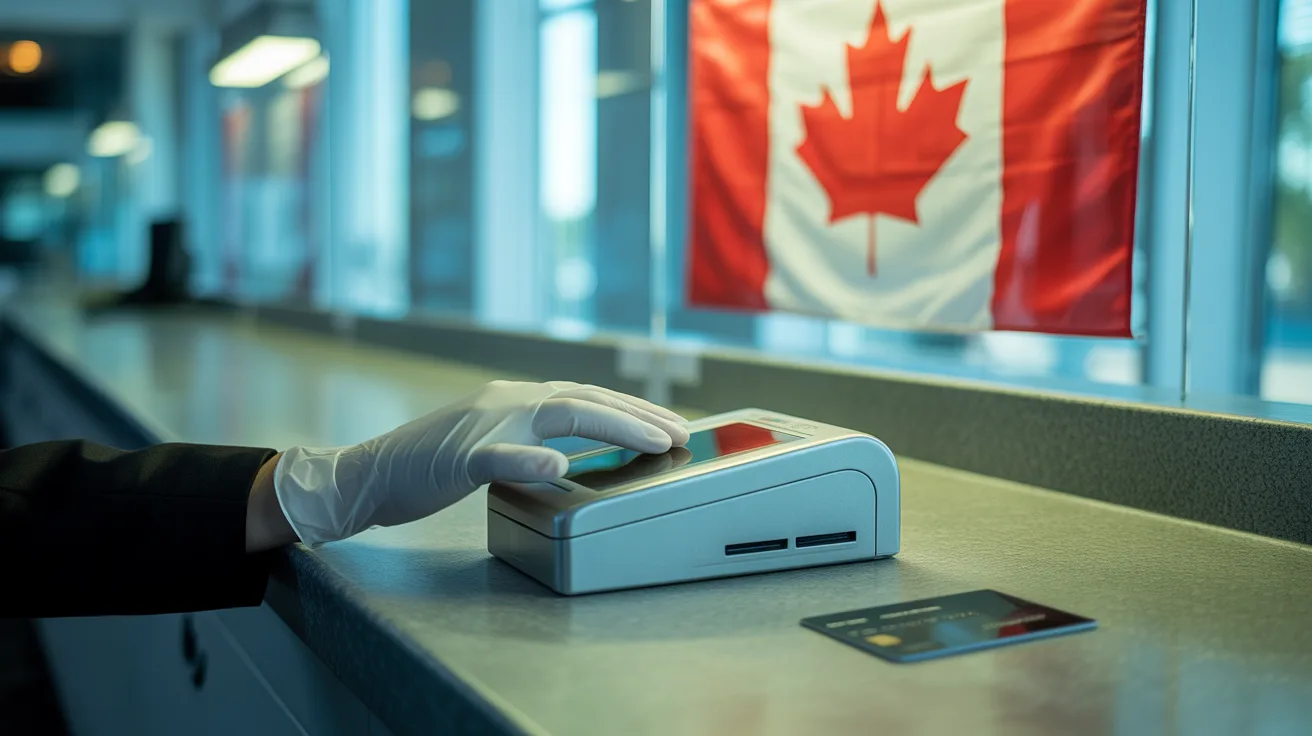
Most applicants must provide biometric data—fingerprints and a photo—at an approved center, which incurs an additional fee. Depending on your country of origin, the length of your stay, or the nature of your job, you may also need a medical exam from a panel physician. Costs for these exams vary by clinic and location.
Hidden Costs to Consider
Beyond the obvious fees, there are often less visible expenses: certified translations of documents, notarization or authentication of diplomas, secure courier services for your application, and—if you choose to hire one—legal or immigration consultant fees. While not mandatory in every case, these costs can significantly increase your total budget.
Renewal and Family Expenses
A work permit isn’t always a one-time expense. If your plans change or your permit expires, renewals may be necessary, requiring new processing fees, another round of biometrics in some cases, and possibly a fresh medical exam if your previous one has expired. If you’re bringing a spouse or children, each family member applying for their own status—whether an open work permit or a study permit—will incur separate fees, adding to the household’s overall costs.
Exchange Rates and Payment Currency
For applicants earning or saving in a currency other than the Canadian dollar, exchange rate fluctuations can significantly impact the real cost of your application. It’s wise to build some flexibility into your budget to account for unfavorable rate changes between the time you plan your move and when you pay the required fees.
Cost of Living After Arrival
Immigration fees are just the beginning. Once you arrive, you’ll need to cover initial settlement costs—housing, transportation, temporary health insurance (if you’re not yet eligible for public coverage), and day-to-day living expenses until your first paycheck arrives. These costs vary widely by city and province, with major urban centers typically being far more expensive than smaller towns or rural areas.
Key Takeaways
The true cost of a Canadian work permit often exceeds the basic government fees listed on Immigration, Refugees and Citizenship Canada (IRCC)’s website—especially when you factor in family needs and upfront living expenses. A realistic budget, with room for unexpected administrative costs, is essential before starting the application process.
Official sources
Immigration, Refugees and Citizenship Canada (IRCC)