Manitoba Issues 766 Provincial Immigration Invitations to Key Workers
Why Is Manitoba Targeting These Sectors in 2026?
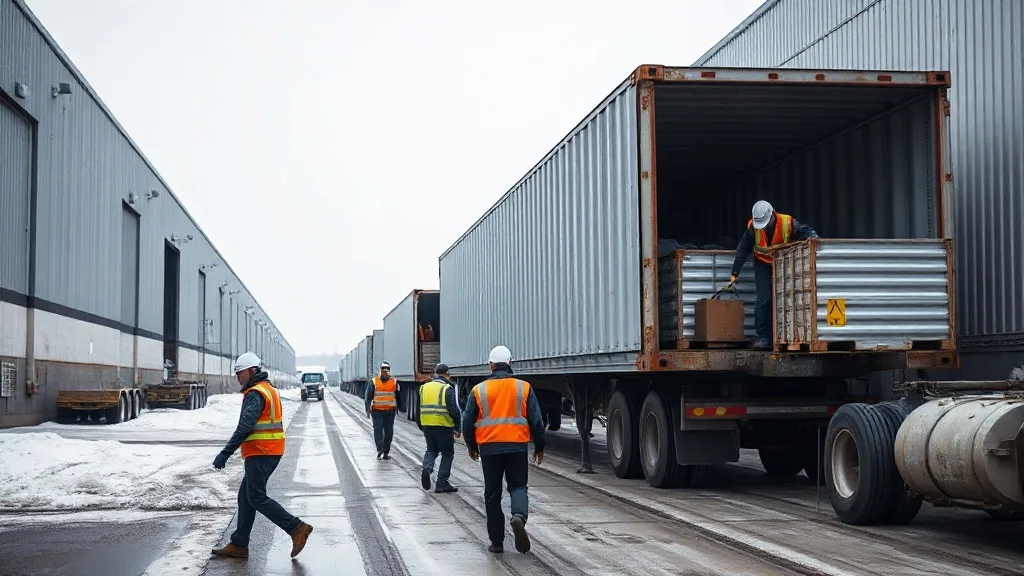
On July 30, 2026, Manitoba sent out 766 Letters of Advice to Apply (LAAs) under its Provincial Nominee Program (MPNP). This latest draw specifically targeted workers in transportation, utilities, and manufacturing—sectors that have faced chronic labor shortages for years. Recent data shows these industries account for nearly 20% of the province’s unfilled job vacancies, a gap the provincial government aims to close by attracting international talent.
Like other Canadian provinces, Manitoba uses its nominee program to address specific economic needs. Unlike federal programs, which evaluate candidates based on broad criteria such as age, education, or work experience, provincial programs focus on particular occupations or skills. In this case, Manitoba is prioritizing workers in transportation (truck drivers, logistics), utilities (energy, water, waste management), and manufacturing (factories, industrial production).
Who Qualifies for These Invitations?
The invitations issued in this draw were primarily aimed at candidates already living in Manitoba or those with a valid job offer in one of the targeted occupations. Here are the general eligibility requirements:
Work experience: Applicants must have at least six months to a year of experience in their field, depending on the program stream. For instance, the Skilled Worker in Manitoba stream requires recent work experience in the province, while the Employment stream may accept candidates with a confirmed job offer.
Language skills: A minimum level of English or French is required, typically assessed through a recognized test like IELTS or TEF. The required level varies by stream, but candidates generally need a score equivalent to CLB 4 (for basic roles) or CLB 5 (for more skilled positions).
Ties to the province: Candidates must show a genuine intention to settle in Manitoba. This could be through a job offer, previous studies in the province, or family connections to Manitoba permanent residents or citizens.
It’s important to note that these invitations do not guarantee permanent residency. Selected candidates must first obtain a provincial nomination before applying for permanent residence through Immigration, Refugees and Citizenship Canada (IRCC). This process can take several months—or even over a year—depending on processing times.
How Can You Improve Your Chances of Being Invited?
For foreign workers interested in Manitoba, here are some tips to strengthen your application:
Target in-demand occupations: Manitoba regularly updates its list of priority occupations. In 2026, transportation, utilities, and manufacturing are at the top. Candidates with experience in these fields have a better chance of being invited.
Boost your EOI score: Manitoba uses an Expression of Interest (EOI) system to evaluate candidates. Points are awarded based on age, education, work experience, language skills, and ties to the province. A higher score increases your likelihood of being selected in a draw.
Secure a job offer: A valid job offer in a targeted occupation can significantly improve your chances of receiving an invitation. Manitoba employers can also sponsor candidates through the MPNP’s Employer Direct Recruitment stream.
Stay informed about draws: Manitoba holds multiple draws each year, each targeting specific occupations or streams. Candidates should monitor official announcements to tailor their strategy accordingly.
What Are the Next Steps After Receiving an Invitation?
Candidates who receive a Letter of Advice to Apply (LAA) typically have 60 days to submit a complete provincial nomination application. Here are the key steps:
Gather documents: Applicants must provide proof of work experience, language proficiency, education, and ties to Manitoba. Documents must be translated and certified if required.
Submit your application: The application is filed online through the MPNP portal. Processing fees, which vary by stream, must be paid at this stage.
Wait for a decision: Processing a provincial nomination application usually takes between four and six months. If approved, the candidate receives a nomination certificate.
Apply for permanent residence: Once nominated, the candidate can submit an application for permanent residence to IRCC. This step includes medical and security checks, as well as additional fees.
It’s crucial to note that timelines and requirements may change. Candidates should regularly check the Manitoba Provincial Nominee Program’s official website for the latest updates.
Why Choose Manitoba?
Manitoba offers several advantages for foreign workers and their families:
Affordable cost of living: Compared to other Canadian provinces like Ontario or British Columbia, Manitoba has a lower cost of living, particularly for housing and transportation.
Welcoming communities: The province is known for its rich cultural diversity and well-established newcomer communities. Settlement services, such as free language classes and professional integration programs, are available to help ease the transition.
Economic opportunities: Manitoba is experiencing steady economic growth, with investments in manufacturing, clean technology, and infrastructure. Skilled workers enjoy strong job prospects and career advancement opportunities.
Pathway to permanent residence: The MPNP is one of the most accessible routes to permanent residence in Canada, especially for workers in high-demand sectors. Once permanent residents, candidates gain access to all Canadian social benefits, including universal healthcare.
In conclusion, the July 30, 2026, draw presents a real opportunity for workers in transportation, utilities, and manufacturing to settle in Manitoba. However, understanding the eligibility criteria and process steps is key to maximizing your chances of success. Interested candidates should act quickly, as provincial draws are competitive and spots are limited.
Official sources