Alberta Referendum: What Impact for Temporary Immigrants?
On October 19, Albertans are called to the polls for a referendum that includes ten questions. Five of them directly concern immigration and services offered to newcomers. If the vote is largely in favor, the repercussions could be significant for some 260,000 temporary residents in the province, including foreign workers and international students.
Why is the Alberta government asking these questions?
Premier Danielle Smith claims that temporary residents cost over one billion dollars to Alberta's health and education systems. The government wants to reduce this financial burden by limiting access to provincially funded programs. According to the bill being prepared, only Canadian citizens, permanent residents, and individuals with an immigration status approved by Alberta would be eligible.
What exactly do the five immigration questions ask?
The questions address:
reducing temporary immigration in the province;
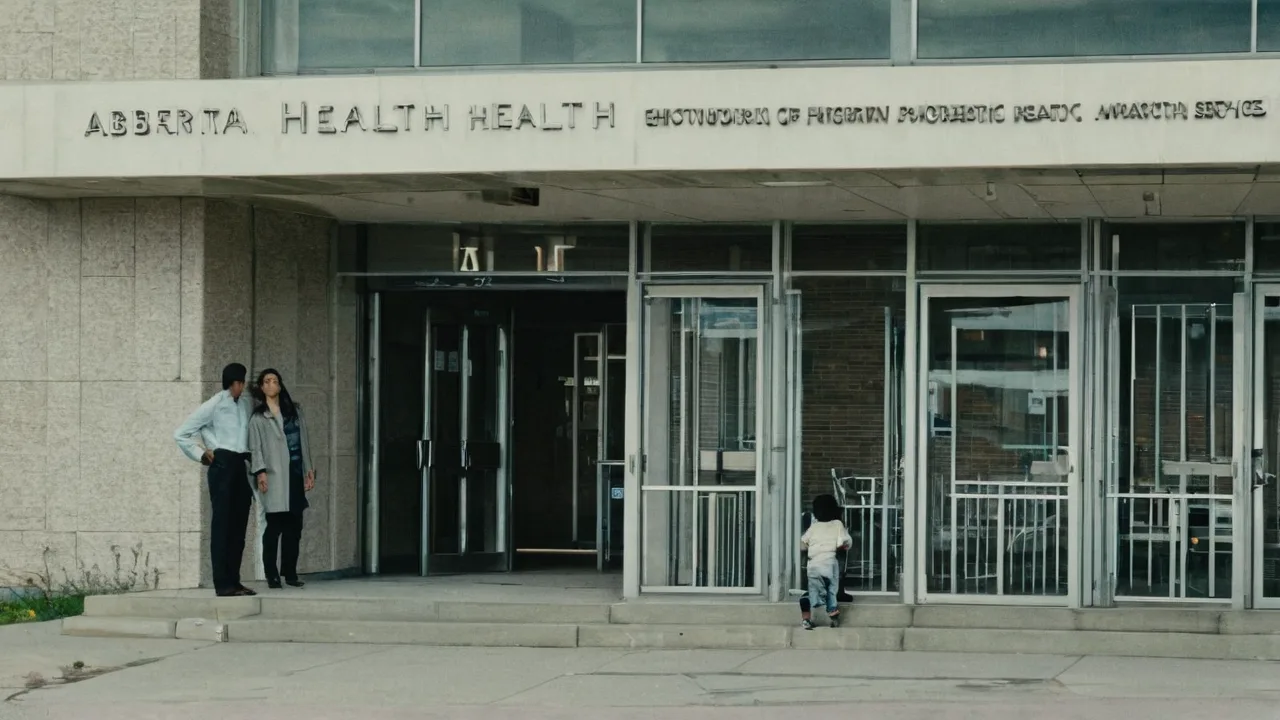
limiting access to health care for non-permanent residents;
charging user fees for health and education services to temporary immigrants;
creating a separate immigration category for Alberta;
requiring employers to contribute more to the costs of public services related to their foreign employees.
What would be the concrete consequences for immigrants?
If voters answer 'yes,' the effects would be immediate. Temporary workers and foreign students would lose their current health coverage unless they pay a premium. For example, a doctor's visit or hospitalization could be billed to them. Similarly, access to public schools could be conditional on paying additional tuition fees. Permanent immigrants would not be directly targeted, but they could see their taxes decrease if costs are shifted.
What are the arguments for and against?
The government argues that temporary residents do not contribute enough to the funding of public services through income tax, as they often pay less tax than citizens. According to them, the current system is unfair to Alberta taxpayers. Opponents, including immigrant advocacy groups, counter that these measures would create legal discrimination and worsen labor shortages in key sectors like agriculture and construction. They also point out that temporary workers already contribute to Employment Insurance and the Canada Pension Plan.
What is the broader context?
This referendum is part of a series of consultations on autonomy and constitutional reforms. The most publicized question concerns Alberta's separation from Canada, but the immigration questions are potentially more concrete. The Smith government hopes to strengthen its negotiating power with Ottawa on immigration control. If Albertans vote yes, it could encourage other provinces to adopt similar measures.
What should be watched after the vote?
The results of the referendum are not legally binding, but the government has promised to legislate accordingly. Observers expect the bill to be introduced quickly, perhaps as early as the next parliamentary session. Temporary immigrants and employers will then have to adapt to a new administrative landscape. Legal challenges are likely, citing the Canadian Charter of Rights and Freedoms.
Conclusion
The October 19 referendum in Alberta goes beyond a mere symbolic debate: it could redefine the rights of temporary immigrants and the distribution of public service costs. As the campaign promises to be polarized, voters will have to weigh economic arguments and principles of fairness. One thing is certain: the outcome will shape the future of immigration in the province for years to come.
Official sources
Immigration, Refugees and Citizenship Canada (IRCC)