Canadian Citizenship by Descent: 7 Key Questions to Avoid Costly Mistakes

Why Your Citizenship Certificate Application Might Be Denied Without You Knowing
Canadian citizenship by descent isn’t automatic—even for children born abroad to Canadian parents. Immigration, Refugees and Citizenship Canada (IRCC) oversees the process, which is governed by complex, ever-changing rules. Below, immigration lawyers answer the most common questions to help you avoid expensive missteps.
1. "My parent is Canadian, but I was born before 1977—do I qualify for citizenship?"
Canadian law changed on February 15, 1977. Before that date, citizenship by descent was limited:
Only children born abroad to a Canadian father (or an unmarried Canadian mother) automatically became citizens.
Children born to a Canadian mother married to a foreign national had to apply for naturalization—even if the father was deceased or absent.
Since 2009, legislative changes have partially addressed this inequality, but restrictions still apply to those born before 1977. A lawyer can determine whether your case qualifies for an exception or legal remedy.
2. "I have a Canadian grandparent—can I pass citizenship to my children?"
The "first-generation limit" restricts citizenship transmission to children born abroad to a Canadian parent who was either born in Canada or naturalized. For example:
If your parent acquired citizenship by descent (born outside Canada), you may qualify, but your children born abroad won’t automatically inherit it.
If your parent was born in Canada, both you and your children may be eligible.
Introduced in 2009, this rule aims to prevent endless citizenship transmission abroad. It applies even if the Canadian parent lived in Canada for an extended period.
3. "Is my foreign birth certificate sufficient as proof?"
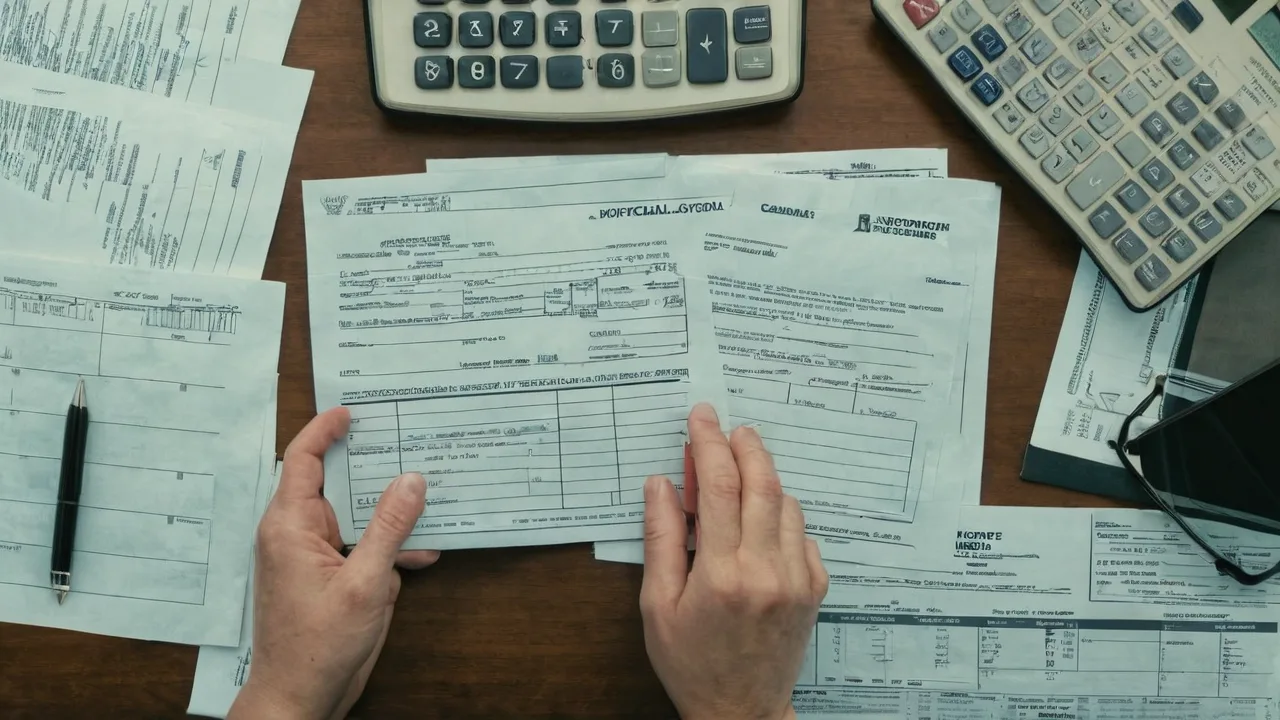
IRCC requires original documents or certified true copies, with official translations if necessary. Commonly rejected documents include:
Birth certificates that don’t list parental details (e.g., some Chinese or Indian records).
Foreign passports as the sole proof of parentage.
Scanned or uncertified copies.
For births in conflict zones or countries with unreliable registries (e.g., Syria, Afghanistan), IRCC may request additional evidence, such as sworn affidavits or DNA tests (at your expense).
4. "How long will it take to get the certificate?"
Processing times range from 6 months to over 2 years, depending on the complexity of the case and application volume. In 2026, IRCC prioritizes applications with:
A clearly established direct parent-child relationship.
All original documents submitted upfront.
Proof of the transmitting parent’s residence in Canada (e.g., school records, tax returns).
Incomplete applications or those requiring further verification (e.g., military archive searches for veterans) may face significant delays. A lawyer can help expedite the process by requesting urgent processing for humanitarian or professional reasons.
5. "Can I lose my citizenship if I don’t live in Canada?"
Unlike some countries, Canada doesn’t revoke citizenship for lack of residency. However, two exceptions apply:
If you obtained citizenship through fraud (e.g., falsified documents, omitting criminal convictions).
If you’re a dual citizen who served in an enemy military or was convicted of terrorism.
Note that citizenship by descent doesn’t automatically entitle you to a Canadian passport. To obtain one, you’ll need to prove ties to Canada (e.g., frequent travel, family in the country).
6. "My parent lost their citizenship—can I still inherit it?"
It depends on why they lost it:
If your parent renounced citizenship (e.g., to avoid double taxation), they cannot pass it on.
If they lost it automatically (e.g., by acquiring another citizenship before 1977), remedies exist. Since 2023, IRCC has allowed children of parents who lost citizenship before 1977 to apply for a streamlined reinstatement process.
A lawyer can review IRCC archives or military records to determine if your parent’s case qualifies for an exception.
7. "Can I work in Canada while waiting for my certificate?"
A citizenship certificate doesn’t grant the right to work or study in Canada. To work legally while waiting, you must:
Obtain a work permit (e.g., through a Canadian employer or programs like the IEC Working Holiday Visa).
Apply for permanent residence if you have a spouse or job in Canada.
Use a visitor visa for temporary stays (without work authorization).
Caution: Filing a citizenship certificate application doesn’t protect you from deportation if you’re out of status. Consult a lawyer before traveling to Canada without valid status.
How to Improve Your Chances of Success
Immigration lawyers recommend:
Checking your eligibility on IRCC’s website before submitting an application.
Preparing all documents in advance, including proof of the Canadian parent’s residence (e.g., old passports, bank statements).
Avoiding common mistakes: missing dates, uncertified translations, or omitting name changes (e.g., due to marriage).
Considering legal recourse if your application is denied. Canadian courts have overturned IRCC decisions due to excessive processing delays or overly strict interpretations of the rules.
Checking IRCC’s website for the exact application fee, as it may vary by case. Fee exemptions are sometimes available for low-income families.
Official sources