Canadian Citizenship by Descent: Which Documents Really Matter?
Why These Two Documents Are Non-Negotiable
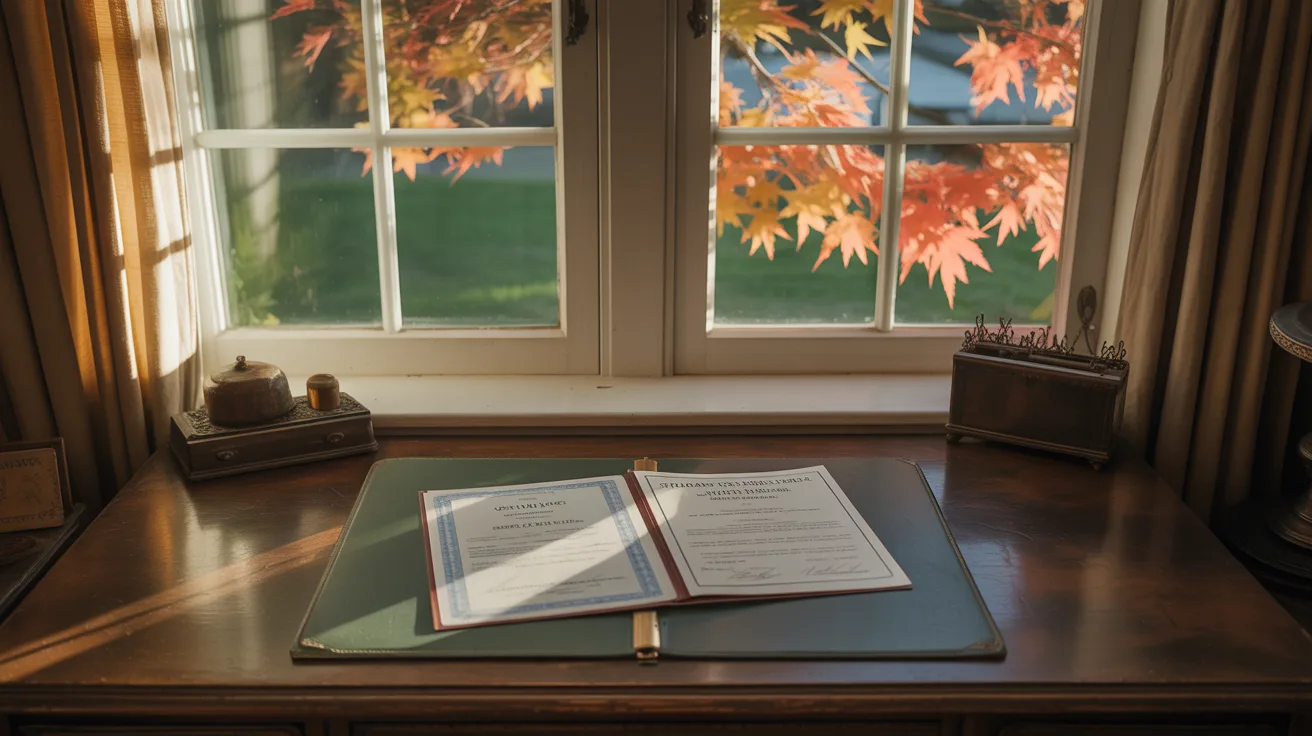
In 2026, applying for Canadian citizenship by descent still comes down to one core requirement: proving a direct bloodline to a Canadian citizen. Among the documents Immigration, Refugees and Citizenship Canada (IRCC) requires, two carry the most legal weight. Birth certificates—including baptismal records for older generations—and marriage certificates form the cornerstone of any application. Their evidentiary power far surpasses that of other documents, such as old passports or military service records.
This isn’t arbitrary. A birth certificate directly establishes a parent-child relationship, while a marriage certificate helps trace how citizenship was passed down through generations—especially for children born before 1947, when Canada’s first citizenship law took effect. Without these documents, even a mountain of other evidence often fails to fill genealogical gaps.
How and Where to Get Them
Finding these documents depends on the province and time period. In Quebec, birth and marriage records predating 1900 are held by BAnQ (Bibliothèque et Archives nationales du Québec), while more recent records are managed by the Directeur de l’état civil. In other provinces, provincial archives or parish registers (for religious records) are the go-to sources.
If records are missing, applicants can turn to professional genealogical research services or online databases like FamilySearch, which indexes millions of Canadian records. One crucial note: IRCC requires certified copies, not just printouts. Documents must be issued by the proper authority, or they’ll likely be rejected.
Common Mistakes to Avoid
Several pitfalls can sink an application. First, confusing a baptismal certificate with a civil birth certificate: while religious records are accepted for periods when civil registration didn’t exist, they must include proof of authenticity, such as an official parish seal.
Next, overlooking details on marriage certificates. For couples married abroad, IRCC verifies that the marriage was legally valid in the country where it took place. A certificate issued by a third country with no connection to Canada or the marriage location may not be accepted. Finally, translations must be done by a certified translator—not a relative.
What If Documents Are Missing?
If a record is truly lost, IRCC may accept secondary evidence, such as sworn affidavits or notarized statements. However, this route is slower and less reliable. Another option is to submit a statutory declaration from a notary or commissioner for oaths, explaining why the document is missing and what steps were taken to find it.
For complex cases, a citizenship lawyer can help strengthen an application. Fees for these services typically range from a few hundred to several thousand Canadian dollars, depending on the research involved and the services required.
A Process That Keeps Evolving
In 2026, IRCC continues to adjust its criteria, particularly for applications involving distant generations. Special consideration is given to records from countries where registries have been damaged or lost, such as Ukraine or Haiti. In these cases, applicants are encouraged to provide alternative evidence, like school records or property documents, to support their lineage claims.
For those with Canadian ancestors who emigrated before 1947, the process can be particularly tricky. The law at the time didn’t always allow for automatic citizenship transmission, and records may be incomplete. A quick eligibility check on IRCC’s website can help determine whether it’s worth investing in costly research.
At its core, a citizenship-by-descent application is a mix of precision and perseverance. The two key documents—birth and marriage certificates—aren’t just paperwork; they’re the bedrock of a strong case. Securing them, though sometimes difficult, remains the most reliable way to claim your rightful citizenship.
Official sources