Gordie Howe Bridge: How the New Border Crossing Will Impact Travelers and Immigration Between Canada and the U.S.
A Third Border Crossing to Relieve One of North America’s Busiest Trade Corridors
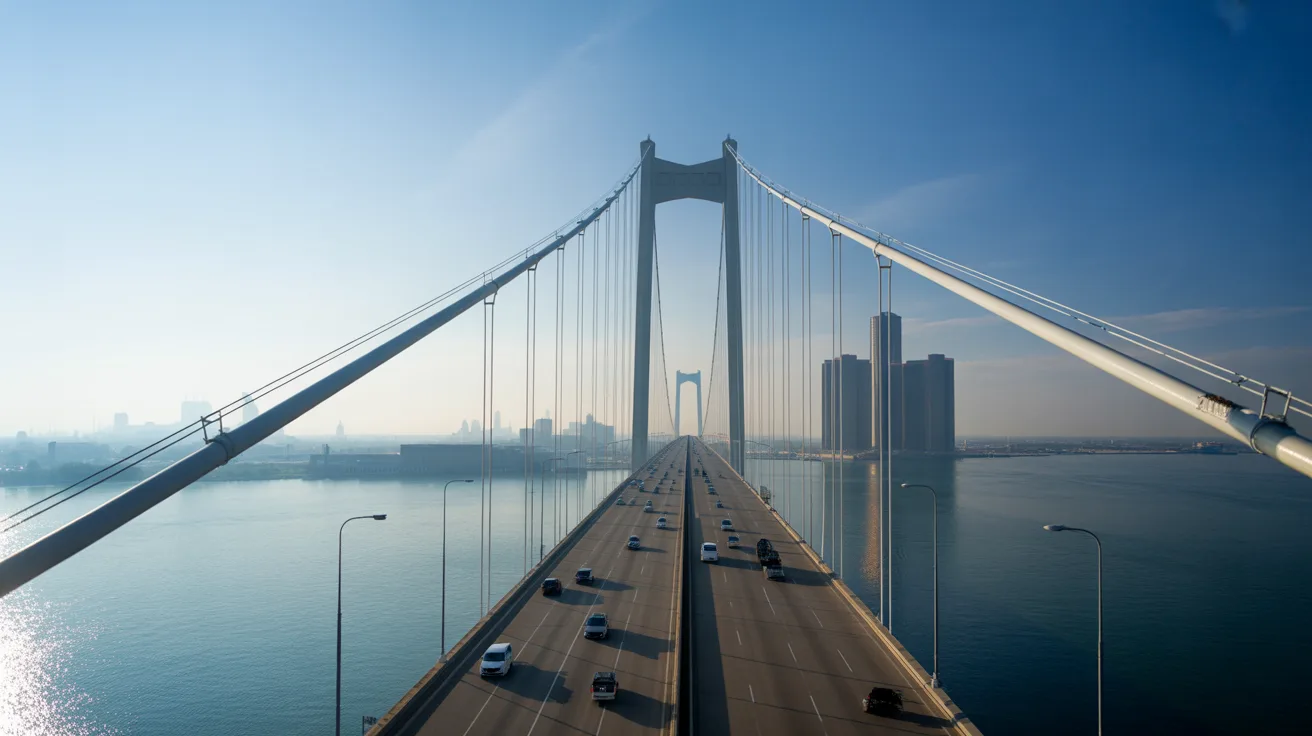
On July 27, 2026, the Gordie Howe International Bridge—a new six-lane span linking Windsor, Ontario, to Detroit, Michigan—will officially open. Led by the Windsor-Detroit Bridge Authority, the project introduces a third crossing to one of the most congested sections of the Canada-U.S. border. Officials say the bridge will help ease the traffic bottlenecks currently plaguing the Ambassador Bridge and the Detroit-Windsor Tunnel.
Why This Bridge Could Be a Game-Changer for Travelers and Commuters
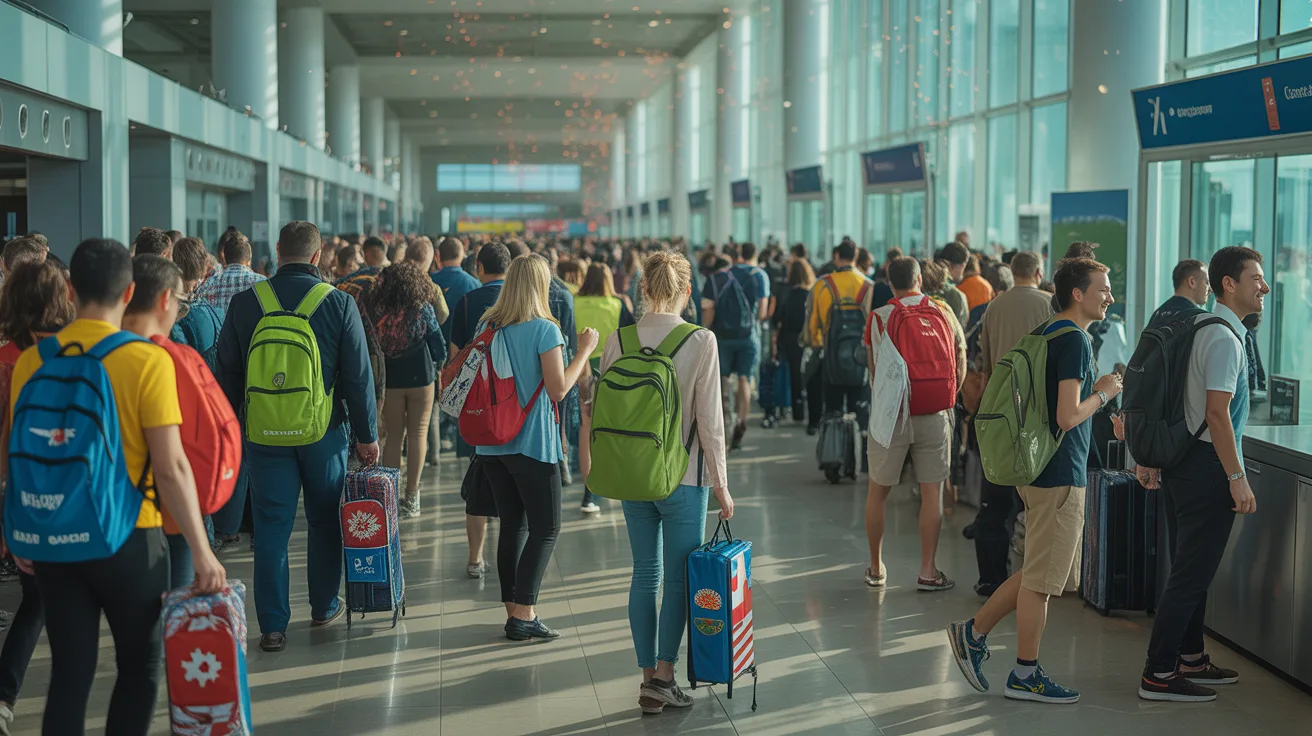
Every day, thousands cross the Windsor-Detroit border for work, family visits, or leisure—only to endure delays that can last for hours. The Gordie Howe Bridge, designed to improve cross-border movement, could reduce wait times for key groups, including:
Workers with Canadian or U.S. work permits who commute daily or weekly;
Canadian permanent residents traveling to the U.S. for business or personal reasons;
International students whose campuses or internships straddle the border;
Families separated by the border, who will now have a less congested route.
What Makes This New Crossing Different?
Unlike existing crossings, the Gordie Howe Bridge was built to meet modern travel and trade demands. Key features include:
Dedicated lanes for commercial trucks and passenger vehicles to keep traffic moving smoothly;
Automated border control technology, such as electronic declaration kiosks, to speed up processing;
Direct highway connections on both sides, eliminating detours and reducing travel time.
For Canadian permanent residents, the new crossing could make trips to the U.S. easier. However, U.S. entry requirements remain unchanged: a valid passport or NEXUS card is still mandatory, and security checks may vary depending on the traveler’s status.
Economic Growth Expected, But Questions Linger
The Windsor-Detroit region is an economic hub, with annual trade exceeding hundreds of billions of dollars. The Gordie Howe Bridge is expected to further boost this growth by cutting logistics costs for businesses. For cross-border workers, the new infrastructure could also expand job opportunities on both sides of the border.
Yet some questions remain unanswered. For example, authorities have not clarified whether the new crossing will offer specialized services for asylum seekers or refugees, whose entry processes can be more complex. Similarly, details are scarce on how temporary visa holders—such as those with work or study permits—will be accommodated.
How to Verify Your Eligibility Before Crossing
Whether you’re a permanent resident, a cross-border commuter, or an occasional visitor, ensuring your documents are in order is essential before crossing. Here’s what to check:
For Canadian permanent residents: A valid passport and permanent resident card (or a permanent resident travel document) are typically required to enter the U.S.;
For cross-border workers: A valid work permit and, in some cases, an Electronic Travel Authorization (eTA) or U.S. visa may be needed;
For international students: A valid study permit and, if applicable, a U.S. visa or eTA must be presented.
Travelers should consult the official websites of the Canadian and U.S. governments for the latest requirements specific to their situation. While the Gordie Howe Bridge is a major step forward, it does not change existing entry rules.
A Symbolic Milestone in Canada-U.S. Relations
The Gordie Howe Bridge’s opening comes at a time of deepening Canada-U.S. cooperation, particularly in trade and border security. The multi-year project highlights the strategic importance of the Windsor-Detroit corridor for both nations.
For local communities, the bridge is more than just a new route—it’s a driver of economic growth and job creation. Windsor and Detroit, already connected by history and culture, could see their ties strengthened by this infrastructure.
Ultimately, the Gordie Howe Bridge represents a significant development for cross-border travelers and workers. While its real-world impact on wait times and economic activity is yet to be seen, it already provides a much-needed alternative to the region’s often-overwhelmed crossings.
Official sources